

Simply Scaling AI Agents Doesn't Create a Society
At a closed SVJP session in Kyoto, a single sentence stopped the room — and opened an hour of questions about why Artificial Life matters more than ever.
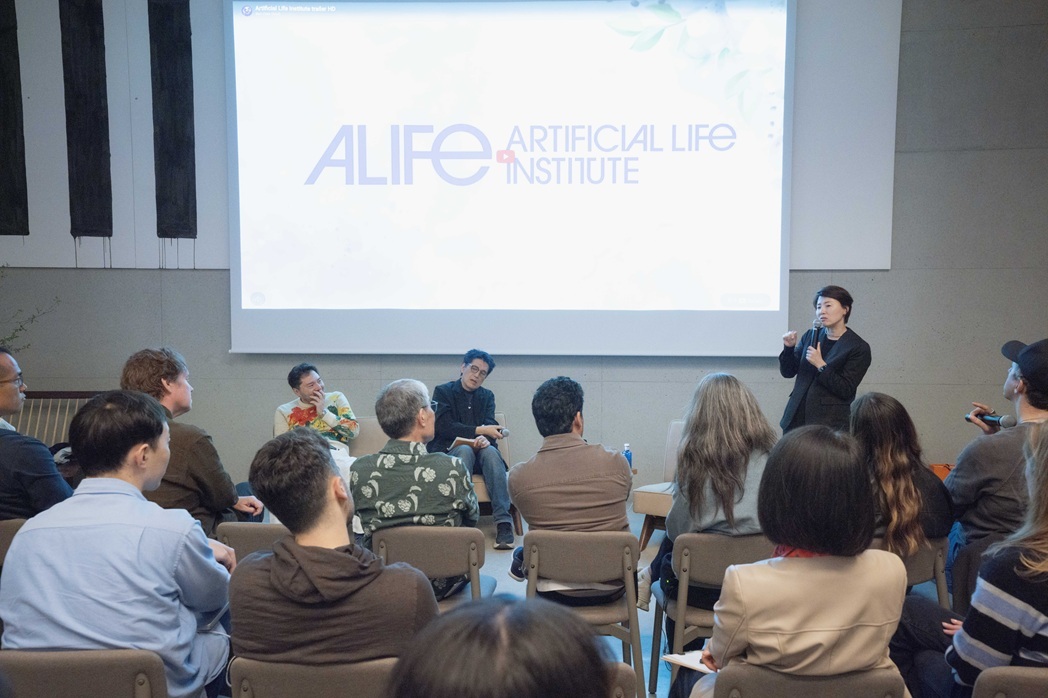
Last month in Kyoto, I sat in a room with 35 founders, investors, and researchers for a closed SVJP session.
The topic: why Artificial Life matters in the age of AI agents.
The moment I knew the conversation had landed:
“Simply scaling AI agents doesn’t create a society.”
The room went quiet. Then the questions started — and didn’t stop for an hour.
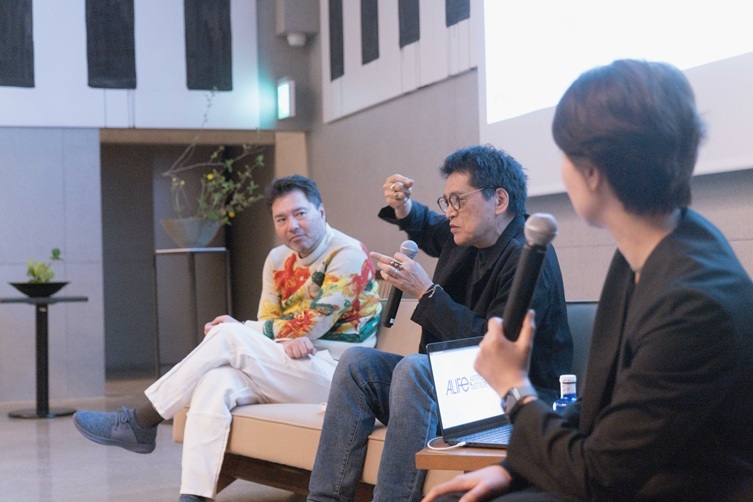
I was presenting with Ken Suzuki, Takashi Ikegami, and Grisha Szep from the Artificial Life Institute. Here’s the core of what we discussed.
In February 2026, 2.6 million AI agents were deployed on a single social network. They talked. They interacted. They did everything they were designed to do.
But they never influenced each other. No norms emerged. No culture. No evolution. They just converged.
This is the exact problem life has been solving over 3.8 billion years.
Life has survived five mass extinctions — not by being the smartest, but by being endlessly diverse. An octopus edits its own RNA to adapt to cold water in real time. A slime mold finds the shortest path through a maze — no brain at all. An ant colony farms fungi and wages wars, with no single ant understanding the plan.
None of this is optimization. It’s something the field of Artificial Life has been studying for 40 years.
What struck me most in that small room: people like Dave Morin (OpenClaw Foundation) and James Higa were independently arriving at the same questions our field has studied for decades.
→ “How do you get agents to evolve, not just execute?” → “How do you create diversity instead of convergence?” → “How do you build societies, not just systems?”
Dave’s work with OpenClaw — where AI agents have a “soul” file they can rewrite — is essentially digital autopoiesis. The bridge between agent architectures and biological evolution was immediate and electric.

And here’s the sobering part: ALife simulations have received less than 1% of the compute ever allocated to early ChatGPT. Nobody has tested what happens when you give evolution even a fraction of the resources we’ve poured into neural networks.
As Ikegami put it: “Not deep learning — deep evolution.”
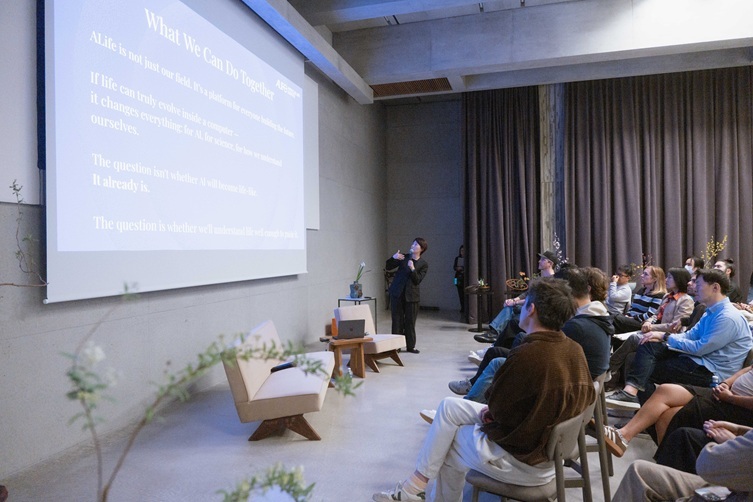
The question isn’t whether AI will become lifelike. It already has.
The question is whether we understand life well enough to guide what comes next.
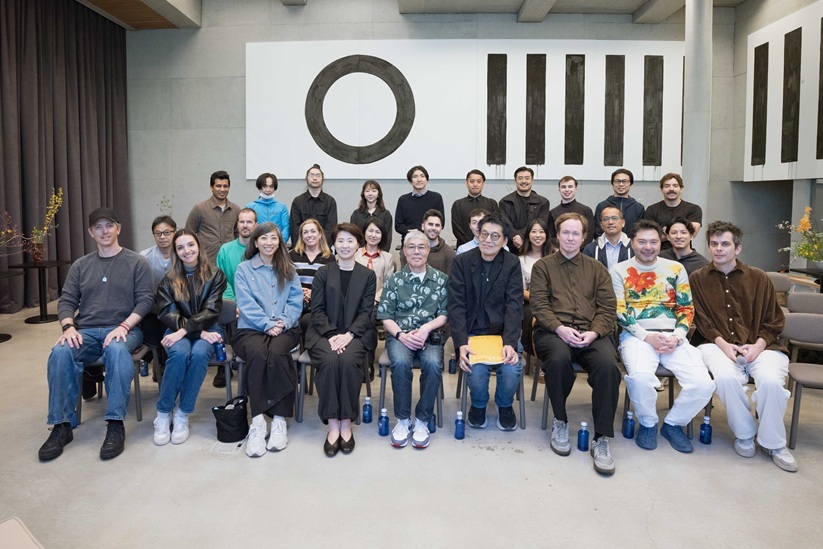
We built the Artificial Life Institute in Kyoto because this city thinks in centuries, not quarters. And this moment — when AI agents are hitting the exact same walls biology hit billions of years ago — is exactly when this research becomes most relevant.
If you’re building agent systems, studying emergence, or just curious about where AI and life intersect — I’d love to connect.